
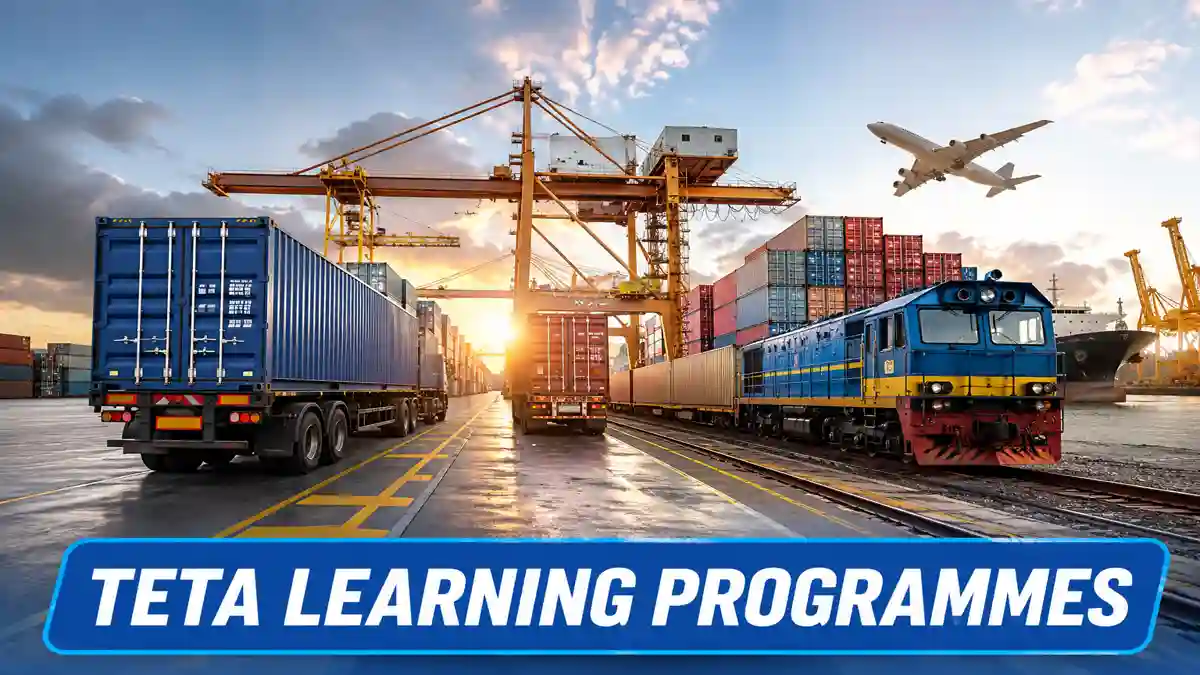
Top TETA Learning Programmes in South Africa: Opportunities That Can Launch Your Career in Transport and Logistics
South Africa’s transport, logistics and freight industries continue to create thousands of career opportunities for young people who want practical skills, workplace exposure and recognised qualifications. One of the biggest contributors to skills development in this sector is the Transport Education Training Authority (TETA), which supports learning programmes that combine classroom learning with structured workplace experience.
These programmes are designed to help unemployed youth, school leavers and aspiring professionals gain industry-ready skills while working toward nationally recognised qualifications registered on the National Qualifications Framework (NQF). Unlike short online courses with little practical value, TETA learning programmes focus heavily on hands-on experience in real working environments.
From freight handling and trucking to rail operations and supply chain management, these opportunities are helping build the future workforce of South Africa’s transport economy.
Why TETA Learning Programmes Matter
TETA-accredited programmes are valuable because they bridge the gap between education and employment. Many South African employers prefer candidates who already understand workplace systems, operational safety and industry procedures. TETA programmes help learners develop those skills before entering the job market permanently.
The programmes usually take the form of:
- Learnerships
- Apprenticeships
- Skills Programmes
- Internships
- Occupational qualifications with workplace training
Participants often receive practical exposure through transport companies, logistics firms, warehouses, rail operators and supply chain businesses.
According to the South African Qualifications Authority (SAQA), qualifications linked to occupational learning are important for improving employability and strengthening industry standards.
1. Bus Driver Learnership – SAQA ID 94202
Registration Number: 32Q320118111203
NQF Level: 3
The Bus Driver Learnership is ideal for individuals interested in passenger transport services. Learners are trained in vehicle operation, road safety, customer service, route planning and passenger management.
This programme prepares learners for work in:
- Public transport companies
- School transport services
- Tourism transport operations
- Municipal transport systems
The transport sector requires drivers who understand both technical driving skills and passenger safety responsibilities. During workplace training, learners gain real-world driving exposure while learning compliance regulations and defensive driving techniques.
The qualification can open pathways into long-distance transport, tourism mobility services and urban transport systems.
2. Clearing and Forwarding Agent Learnership – SAQA ID 96368
Registration Number: 32Q320119151205
NQF Level: 5
Global trade continues to expand across Africa, creating strong demand for professionals who understand imports, exports and customs procedures. The Clearing and Forwarding Agent Learnership equips learners with knowledge of freight documentation, customs legislation, cargo movement and international logistics systems.
Learners may work with:
- Shipping companies
- Freight forwarding agencies
- Ports and terminals
- Import/export businesses
This programme is especially valuable for individuals interested in international trade and supply chain operations. It also introduces learners to digital logistics systems used in modern freight management.
South Africa’s growing trade relationships continue to increase demand for qualified freight and customs professionals.
3. Freight Handler Learnership – SAQA ID 96396
Registration Number: 32Q320120141223
NQF Level: 3
Freight handlers play an important role in ensuring goods move efficiently through warehouses, depots and logistics centres. This learnership focuses on cargo handling, loading procedures, warehouse safety, stock movement and equipment usage.
Learners gain practical skills in:
- Warehouse operations
- Cargo inspection
- Packaging procedures
- Dispatch systems
- Inventory handling
The logistics sector relies heavily on skilled freight handlers to reduce delays and maintain operational efficiency. With e-commerce and retail distribution continuing to grow in South Africa, freight handling skills remain highly employable.
4. Truck Driver Learnership – SAQA ID 93793
Registration Number: 32Q320121121303
NQF Level: 3
Truck driving remains one of the most important occupations in South Africa’s logistics and supply chain sector. The Truck Driver Learnership trains learners in heavy vehicle operations, road regulations, cargo transportation and vehicle inspection procedures.
Participants learn:
- Long-distance transport operations
- Vehicle safety checks
- Fuel efficiency practices
- Cargo management
- Transport legislation compliance
The programme can lead to opportunities in retail logistics, mining transport, agricultural supply chains and manufacturing distribution networks.
As freight demand increases across Southern Africa, qualified truck drivers remain essential to the movement of goods nationwide.
5. Supply Chain Practitioner Learnership – SAQA ID 110942
Registration Number: 32Q320044181455
NQF Level: 5
Supply chain management is one of the fastest-growing career fields globally. This qualification introduces learners to procurement systems, inventory management, logistics planning and business operations.
Learners are exposed to:
- Procurement processes
- Distribution planning
- Inventory control
- Supplier management
- Business communication systems
The programme prepares learners for careers in:
- Retail logistics
- Manufacturing operations
- Distribution companies
- Warehousing businesses
- Procurement departments
As companies continue investing in operational efficiency, skilled supply chain practitioners remain in high demand.
6. Fishing Hand Learnership – SAQA ID 110932
Registration Number: 32Q320117190792
NQF Level: 2
South Africa’s maritime and fishing industries continue to support coastal economies and food production systems. The Fishing Hand Learnership provides practical training in fishing vessel operations, marine safety and sustainable fishing practices.
Learners may gain experience in:
- Fishing operations
- Net handling
- Marine safety procedures
- Vessel maintenance
- Seafood processing support
This programme is particularly valuable for individuals living in coastal regions where maritime employment opportunities exist.
The fishing industry also plays a major role in export markets and local food supply chains.
7. Road Transport Manager Learnership – SAQA ID 96371
Registration Number: 32Q320328182055
NQF Level: 5
This advanced programme focuses on transport operations management and leadership within the road freight sector. Learners develop skills in fleet management, operational planning, transport compliance and staff supervision.
Training includes:
- Fleet coordination
- Route optimisation
- Transport legislation
- Risk management
- Driver performance management
Road transport managers are responsible for ensuring transport operations remain efficient, safe and profitable. The qualification is suitable for individuals who want supervisory or management careers in logistics and transportation.
8. Shipping Agent Learnership – SAQA ID 110934
Registration Number: 32Q320230162405
NQF Level: 5
Shipping agents are critical to the coordination of cargo vessels, shipping schedules and maritime logistics operations. This learnership introduces learners to port systems, vessel documentation, cargo administration and shipping regulations.
Career opportunities may include:
- Port administration
- Maritime logistics
- Vessel coordination
- Cargo scheduling
- Shipping operations support
South Africa’s ports remain key trade gateways for Africa, making maritime logistics a strategic career field with long-term growth potential.
9. Railway Signal Operator Learnership – SAQA ID 93794
Functional Yard Operator
Registration Number: 32Q320351131003
NQF Level: 3
Rail transport remains an essential part of freight movement and public infrastructure. This learnership trains learners in railway signal systems, operational communication and rail yard safety procedures.
Participants learn about:
- Railway signalling systems
- Train movement coordination
- Rail safety procedures
- Yard communication operations
- Rail traffic management basics
The programme helps prepare learners for careers within South Africa’s rail transport sector, which continues to require technically trained operational staff.
How to Apply for TETA Learning Programmes
Applicants should regularly monitor official industry websites and training providers for available opportunities. Requirements usually include:
- A South African ID
- Grade 10, Grade 12 or equivalent qualification
- Relevant driver’s licence for driving programmes
- Good communication skills
- Medical fitness for operational roles
Useful platforms for opportunities and qualification information include:
- TETA Official Website
- SAQA Qualification Database
- Department of Higher Education and Training
- Services SETA Career Resources
These authoritative resources can improve credibility signals for career-focused websites while also helping readers access verified information directly from trusted institutions.
Final Thoughts
TETA learning programmes continue to provide practical career pathways for South Africans looking to enter transport, logistics, maritime and supply chain industries. What makes these programmes valuable is their combination of structured learning and real workplace experience.
For many young people, these opportunities become the starting point toward long-term employment, industry certifications and future career growth. As South Africa continues investing in infrastructure, freight movement and supply chain development, skilled professionals in transport-related sectors will remain essential to the country’s economy.

Grace Malema is the Writer and content author at LearnSETAHub, a South Africa–focused careers and opportunities platform dedicated to sharing verified learnerships, internships, bursaries, and job updates. With a strong focus on accuracy, clarity, and accessibility, Grace curates and publishes content aimed at helping young professionals and job seekers make informed career decisions.
She is committed to delivering reliable, well-researched, and easy-to-understand information that aligns with current opportunities in both the public and private sectors. Through LearnSETAHub, Grace continues to build a trusted digital resource that supports skills development and youth empowerment in South Africa.
For professional inquiries, she can be contacted at Grace@learnsetahub.co.za